Tiny Words, Lasting Impact for Greener Home Care
Today we explore writing educational microcopy for eco furniture care labels and packaging. You will learn how tiny, respectful instructions can protect materials, reduce waste, and earn trust at first glance and first clean. Expect practical frameworks, research-backed advice, and empathetic language examples that fit small spaces while guiding big, sustainable behaviors.
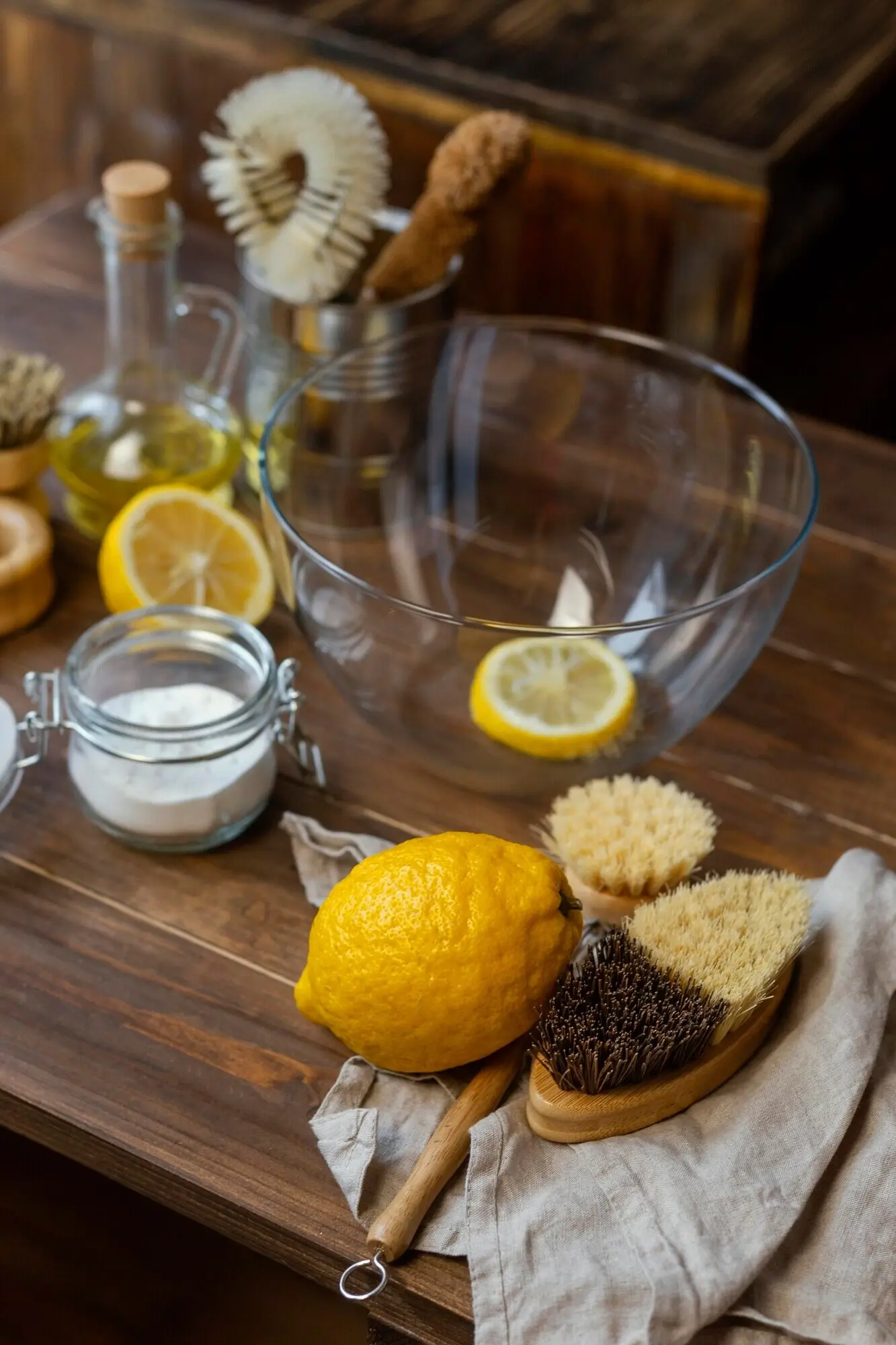
Know the Moment: From Aisle to Unboxing
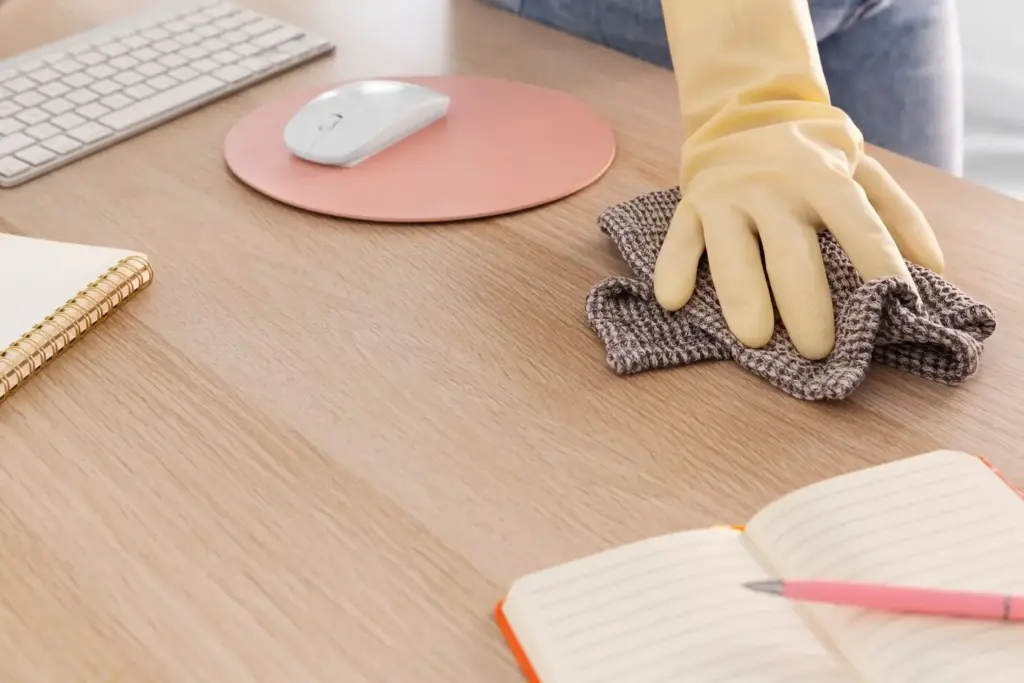
Shelf Side Clarity
Shoppers compare materials, coatings, and claims fast. Use a plain headline that promises protection, one benefit line that names the material, and a single action. Avoid jargon like “biocide.” If it matters, explain it briefly in human language, near the claim, not buried elsewhere.
First-Clean Confidence
At home, hands are full and nerves are higher. Start with a friendly check: test on a hidden spot. Then give the first wipe method, timing, and what a good result looks like. State what not to do succinctly, without alarms or scolding.
Inclusive Understanding
Plain English respects time and increases safety. Prefer familiar verbs, short sentences, and units people actually use. Add clear visuals and a QR for translations and accessibility. Avoid culturally specific metaphors. If you mention plant oils or solvents, name common sources and sensitivities explicitly.
A Gentle Voice with Confident Purpose
A caring tone sounds calm, specific, and sure. It offers agency without pressure, and it never shames spills, scratches, or busy days. Choose verbs that invite—wipe, blot, breathe—and pair them with outcomes people value: longer life, fewer replacements, healthier air. Consistency across bottle, box, and QR page builds trust.
Tone Map, Not Mood Swings
Define sliders for warmth, expertise, and brevity, then write to that map every time. A small label cannot host personality whiplash. If the front says “hi,” the back should not become a lab manual. Friendly precision reads human, saves space, and prevents accidental condescension.
Empathy that Respects Time and Hands
Microcopy should imagine a parent cleaning between calls or a renter caring for borrowed furniture. Keep directions finger-friendly and surface-safe. Replace blame with repair. Where mistakes are common, add a quick recovery tip, showing respect for real life rather than ideal routines.
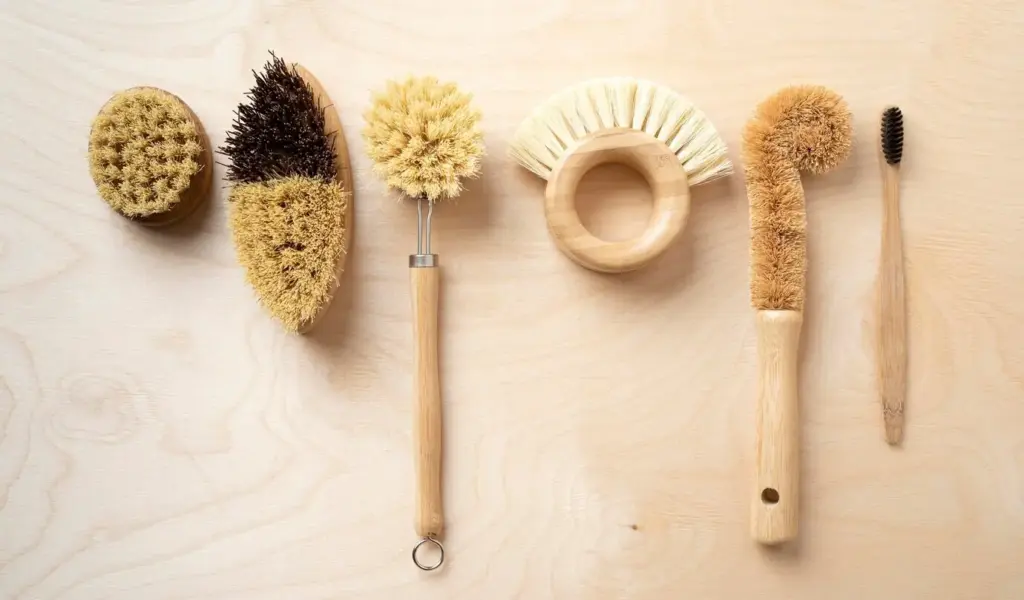
Designing Scannable Hierarchies
Good structure saves reading. Decide what belongs where: a promise and material callout up front, precise steps on the back, and safety near the action it affects. Use size, weight, and spacing like signposts. Never ask readers to hunt while holding a damp cloth.
From Action to Outcome: Instructions That Work
Effective directions start where the user stands: what they have, what they want, and what could go wrong. Lead with the first move, show how long it takes, and describe success in sensory terms. When risk exists, place cautions exactly before the risky action, never later.
Lead with Verbs, Close with Benefits
Start steps with vivid verbs: dust, mist, blot, buff. Pair each with a why: prevents streaks, protects oil, keeps coatings breathable. Ending a step with the benefit motivates follow-through and teaches principles, so people can adapt safely with the tools they already own.
Safety Without Fear
Warn without shouting. Replace scary blocks with specific, proximate cues: “Open a window before misting,” “Keep away from infant textiles until dry.” Name common allergies plainly, like nut oils or citrus. Offer alternatives when possible, keeping dignity and momentum intact for every reader.
Care Beyond Cleaning
Add tiny cues that extend life: rotate cushions monthly, use felt pads under legs, avoid direct afternoon sun. Put the most impactful, evidence-backed habits first. If a habit saves money or prevents waste, say it explicitly to link personal benefit with environmental good.
Oiled Wood and Plant-Based Finishes
Oils penetrate; they do not form a plastic film. Say “wipe thin, let breathe,” not “seal.” Warn against aggressive detergents that strip protection. Suggest soft cloths and with-the-grain motions. Offer gentle frequency guidance that balances sheen, durability, and indoor air quality without encouraging overuse.
Recycled Plastic and Powder-Coated Metal
These surfaces are tougher yet scratchable. Recommend non-abrasive pads, pH-neutral cleaners, and cool water. Note that solvents can haze coatings. Encourage spot cleaning first, then wider passes. Remind readers that gentle care keeps coatings intact longer, avoiding premature replacement and supporting circularity goals through extended product lifespans.
Organic Fabrics and Gentle Stain Logic
Name specific fibers—linen, hemp, cotton—and connect to care differences. Suggest cool water, blotting, and enzyme timing for proteins. Explain why scrubbing harms weaves. Offer a stain triangle: identify, pre-treat, refresh. Close with a friendly nudge toward line-drying, which saves energy and preserves texture.
Speak to the Material, Respect the Planet
Different surfaces need different words. Name the material precisely, then tailor actions to its chemistry. Avoid blanket advice that fits nothing well. Explain why a method works, so users remember the principle, not just the step. Recommend refills, reusables, and low-impact tools where they truly help.
Prove It with People and Data
Assume nothing. Put labels in real hands before printing thousands. Watch how quickly the first step is found, where eyes stall, and which words cause hesitation. Iterate ruthlessly. After launch, track scans, returns, and support tickets to spot confusion and celebrate measurable, sustainable wins.
Ask people to glance for five seconds, then tell you the first action they remember. If it is wrong or vague, rework hierarchy and verbs. Then simulate wet, gloved, or hurried hands. If steps slip under thumbs, your line breaks and spacing need help.
Small words move behavior. Test “blot” versus “dab,” or “mist lightly” against “spray once.” Measure streak complaints, time-on-page after QR, and refill orders. Let the smallest, clearest variant win. Record learnings in a living guide so every new label inherits proven clarity.
Choose success metrics that honor sustainability and care: fewer returns for finish damage, increased refill adoption, reduced support volume, and happier reviews citing clarity. Share before-and-after screenshots and wording swaps with your team and suppliers, building a culture that values tiny words with big outcomes.

Invite Care, Inspire Pride
When people feel proud of caring well, they keep caring. Add small narrative touches that connect object, home, and planet. Celebrate reuse, refills, and repairs. Offer a path to ask questions. Encourage sharing photos or tips, turning maintenance into a small, satisfying ritual worth repeating.
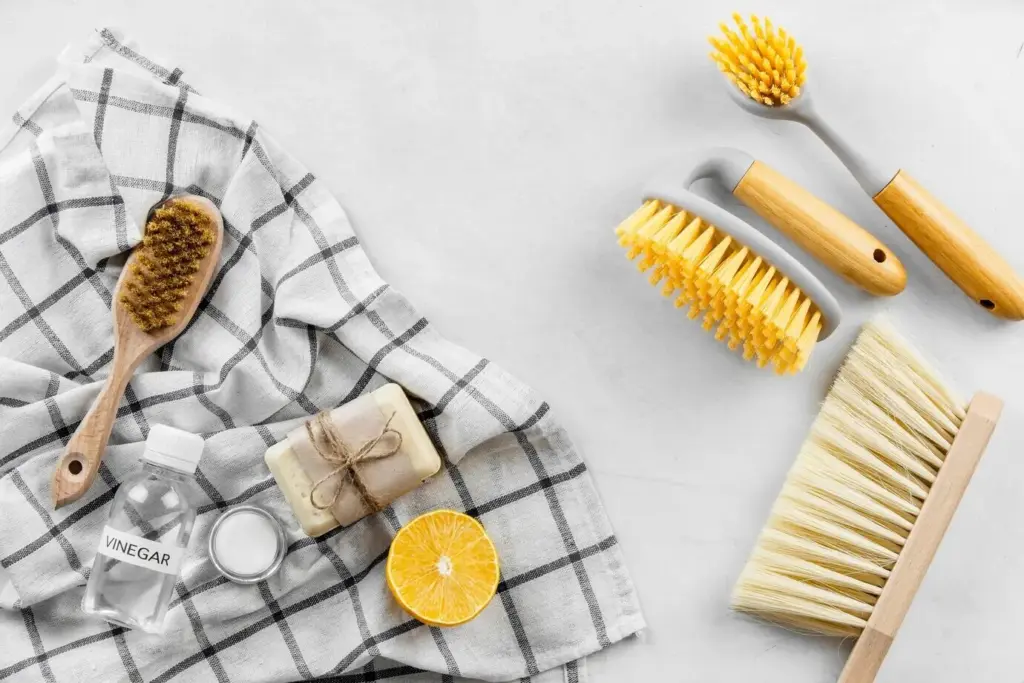
Micro-Stories that Travel Home
One line can carry meaning: “This oil is pressed from reclaimed seeds; thin coats let wood breathe.” Pair purpose with practice. People repeat lines they love to family and guests, reinforcing correct care while spreading the sustainability story without heavy-handed slogans or lectures.
Community Prompts and Gentle Nudges
Invite readers to share before-and-after photos, tricks for stubborn rings, or refill tips using a short hashtag. Place the prompt near the result statement. Add a QR to a moderated forum or guide. Build belonging around better care, not perfection contests or unrealistic routines.
All Rights Reserved.